
Anúncios
Ever wondered if your smartphone could help you find lost items or detect hidden metal objects? With the right app, your phone becomes a portable metal detector ready to assist you anytime, anywhere.


Modern smartphones pack impressive technology into your pocket, including magnetometers originally designed for compass navigation. These sensors can detect magnetic field variations, making them perfect for identifying metallic objects nearby. What once required specialized equipment now fits comfortably in your hand, ready to help whenever you need it.
Metal detector apps transform this existing hardware into practical tools for everyday situations. Whether you’ve dropped your keys in the sand, need to locate studs behind drywall, or simply enjoy treasure hunting as a hobby, your phone can now assist you. The best part? No additional equipment needed—just download an app and start exploring. 🔍
How Your Smartphone Detects Metal Objects
Your phone’s magnetometer constantly measures the Earth’s magnetic field to determine direction. When metal objects enter this field, they create disturbances that the sensor picks up immediately. Metal detector apps read these variations and translate them into visual or audio signals you can easily interpret.
Different metals produce varying magnetic signatures. Ferrous metals like iron and steel create strong reactions because they’re naturally magnetic. Non-ferrous metals such as aluminum, copper, and gold produce weaker signals but remain detectable at close range. The app displays field strength in microteslas (μT), with baseline readings around 25-65 μT depending on your location.
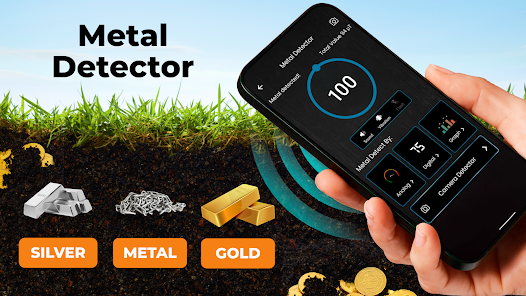
Real-time readings appear directly on your screen, updating continuously as you move your phone. Most apps feature intuitive gauges, numerical displays, and sometimes audio feedback that intensifies when you approach metallic objects. This combination of visual and auditory cues makes locating hidden items surprisingly straightforward, even for first-time users.
Practical Everyday Uses That Save Time and Frustration
Lost keys rank among the most common frustrations in daily life. When they disappear into couch cushions, under car seats, or beneath sand at the beach, a metal detector app becomes your rescue tool. Simply wave your phone slowly over suspected areas while watching the readings spike when metal is nearby. ✨
Home improvement projects benefit enormously from this technology. Before hanging pictures or shelves, scan the wall to locate studs, nails, or electrical wiring hidden behind the surface. This prevents accidental damage to plumbing or electrical systems while ensuring your fixtures attach securely to structural supports rather than just drywall.
Gardening enthusiasts discover buried treasures they never knew existed. Old fence posts, buried tools, or forgotten yard decorations often lurk beneath the soil. Scanning before digging protects both your equipment and your hands from unexpected metal objects that could cause injury or damage.
Beach Adventures and Treasure Hunting
Beach outings become more exciting when you can search for coins, jewelry, or interesting metal artifacts buried in the sand. While professional metal detectors offer greater depth and sensitivity, smartphone apps provide enough capability for casual treasure hunting during family beach days.
Children especially love the interactive nature of treasure hunting with technology. It transforms ordinary walks into adventure quests where every beep or screen spike promises potential discovery. This engagement keeps kids active, curious, and excited about outdoor exploration rather than glued to games or videos.
Parks, playgrounds, and picnic areas also yield interesting finds. Dropped jewelry, coins from previous visitors, and historical artifacts occasionally surface when you combine curiosity with the right detection tools. Always respect property rules and local regulations regarding metal detecting in public spaces.
Choosing the Right Metal Detector App for Your Needs
Not all metal detector apps perform equally. The best applications feature clean interfaces, accurate calibration, and reliable sensor interpretation. Look for apps that display both numerical readings and visual gauges, giving you multiple ways to understand what the sensor detects.
Calibration capabilities matter significantly. Quality apps let you establish baseline readings for your environment, then measure deviations from that baseline. This feature proves essential because different locations have naturally varying magnetic fields that might otherwise create confusing readings.
Sound feedback options enhance usability considerably. When visual attention isn’t possible—such as when scanning walls or working in tight spaces—audio cues that increase in frequency or volume near metal objects keep you informed without constant screen watching. This hands-free operation makes many tasks significantly easier.

Understanding Detection Limitations and Realistic Expectations
Smartphone metal detectors excel at close-range detection but can’t match professional equipment for depth or precision. Most effectively detect objects within 2-6 inches from the phone, depending on object size and metal type. Larger metallic items produce stronger signals detectable at slightly greater distances.
Environmental interference affects readings. Electronic devices, power lines, reinforced concrete, and even some building materials create magnetic disturbances that complicate detection. Moving away from these interference sources or calibrating the app in your specific environment improves accuracy substantially.
Phone cases and accessories sometimes interfere with sensor function. Magnetic phone mounts, metal cases, or even credit cards with magnetic strips can skew readings. For best results, remove the case temporarily while using the metal detector feature, then reattach it when finished.
Optimal Techniques for Accurate Detection
Slow, methodical movements produce better results than quick sweeps. Move your phone steadily across the search area, maintaining consistent distance from the surface. Rapid movements create unstable readings that make interpretation difficult and might cause you to miss targets entirely.
Hold your phone flat rather than angled. The magnetometer sensor, typically located near the top of your device, needs proper orientation toward the search target. Keeping the phone parallel to the surface ensures maximum sensitivity and most accurate readings throughout your scan.
Grid patterns work best for systematic searching. Whether scanning walls, floors, or outdoor areas, dividing the space into sections and methodically covering each one prevents missing spots and ensures thorough coverage. This organized approach proves especially valuable when searching for small objects in large areas.
Safety Considerations When Detecting Metal Objects
Electrical safety takes priority when scanning walls or ceilings. Metal detector apps identify wires behind surfaces, helping you avoid dangerous contact when drilling or nailing. However, they shouldn’t replace proper electrical safety equipment or professional consultation for major projects involving potentially live wiring.
Sharp objects pose risks when metal detecting outdoors. Rusty nails, broken glass attached to metal frames, or jagged metal edges could cause injury if grabbed carelessly. Always use appropriate tools to excavate detected items rather than reaching blindly into sand, soil, or debris piles. 🔧
Property permissions matter significantly. Detecting metal on private property without permission constitutes trespassing in most jurisdictions. Historical sites, archaeological areas, and protected lands often have strict regulations against metal detecting. Always research local laws and obtain necessary permissions before searching unfamiliar areas.
Maximizing Battery Life During Extended Use
Metal detector apps continuously access your phone’s magnetometer sensor, which consumes battery power. Extended detection sessions can drain batteries faster than typical phone usage. Planning ahead ensures your phone remains functional throughout your entire adventure or project.
Close unnecessary background applications before starting detection work. Social media, email syncing, and location services running simultaneously increase power consumption significantly. Focusing your phone’s resources on the metal detection task improves both battery life and app performance.
Consider bringing portable chargers for lengthy treasure hunting expeditions. Compact battery packs easily fit in pockets or bags, providing emergency power when needed. This precaution proves especially valuable during beach outings or hiking trips where phone functionality matters for safety beyond just metal detection.
Additional Features That Enhance User Experience
Some advanced metal detector apps include recording capabilities that log your findings with GPS coordinates. This feature proves invaluable for treasure hunters who want to map productive locations or return to specific spots. Digital records replace handwritten notes and provide shareable documentation of your discoveries.
Customizable sensitivity settings let experienced users fine-tune detection parameters. While beginners benefit from default settings, advanced users might adjust sensitivity to filter out small metallic debris while focusing on larger targets. This customization makes apps versatile across different detection scenarios.
Tutorial modes and help sections within quality apps educate users about proper techniques and sensor interpretation. These built-in resources accelerate learning curves and help newcomers achieve better results quickly. Reading through these materials before your first detection attempt prevents common mistakes and frustration.
Comparing Smartphone Detection to Professional Equipment
Professional metal detectors offer superior depth penetration, often detecting objects buried 12+ inches deep depending on size and soil conditions. They also provide discrimination features that identify specific metal types before excavation, saving time by filtering unwanted targets like bottle caps or pull tabs.
However, professional equipment carries significant cost, typically ranging from $200 to several thousand dollars. This investment makes sense for serious hobbyists or professionals but seems excessive for casual users who occasionally need metal detection capabilities. Smartphone apps bridge this gap perfectly, offering adequate functionality without financial burden.
Portability represents another key difference. Professional detectors require dedicated carrying and storage, while your phone already accompanies you everywhere. This convenience means detection capability remains available whenever unexpected needs arise, whether finding lost jewelry at a picnic or locating studs during impromptu home repairs.
Creative Applications Beyond Obvious Uses
Educational opportunities abound when children explore magnetism through practical application. Demonstrating how phones detect metal teaches scientific concepts about magnetic fields, sensor technology, and practical problem-solving. This hands-on learning proves more engaging than textbook explanations alone. 📱
Vintage shopping and antique hunting gain new dimensions with detection technology. Scanning furniture, picture frames, or decorative items reveals hidden metal components, construction methods, or even concealed compartments. This knowledge helps authenticate items and understand their construction without damaging surfaces through invasive investigation.
Emergency situations occasionally benefit from metal detection capabilities. Locating buried utility lines before emergency digging, finding metal fragments after accidents, or detecting metal objects in unusual circumstances demonstrates the versatility of having detection technology readily available on your phone.
Maintenance and Calibration for Consistent Performance
Regular calibration ensures accurate readings as environmental conditions change. Magnetic fields vary by location due to geological factors, nearby structures, and even time of day. Taking 30 seconds to recalibrate when moving to new locations dramatically improves detection accuracy and reduces false signals.
App updates often include improved algorithms and bug fixes that enhance performance. Enabling automatic updates or manually checking for new versions periodically ensures you benefit from developer improvements. These updates sometimes add features or compatibility improvements that expand your phone’s detection capabilities.
Sensor health affects app performance. While magnetometers rarely fail, physical damage to phones can compromise sensor accuracy. If detection performance suddenly degrades, testing your phone’s compass function confirms whether the magnetometer still operates correctly. Compass malfunction typically indicates sensor problems requiring professional repair.
Building Skills Through Practice and Experimentation
Proficiency develops through regular use across varying scenarios. Start with simple tasks like finding keys hidden under cushions, then progress to more challenging applications like wall scanning or outdoor treasure hunting. This gradual skill development builds confidence and improves your ability to interpret subtle sensor variations.
Experimenting with different metals teaches you how various materials affect readings. Compare responses from iron nails, aluminum foil, copper wire, and stainless steel objects. Understanding these signature differences helps you estimate what you’ve detected before excavating or drilling, saving time and preventing disappointments.
Documenting successful finds creates personal reference material. Photos of interesting discoveries, notes about where you found them, and the sensor readings that led to detection build a knowledge base. Reviewing this information improves pattern recognition and helps you understand which signals merit investigation versus those indicating common debris. 💎
Joining Communities of Metal Detection Enthusiasts
Online forums and social media groups connect smartphone metal detector users worldwide. These communities share tips, celebrate interesting finds, and offer troubleshooting advice when problems arise. Participating in these groups accelerates learning and adds social dimensions to what might otherwise be solitary activities.
Local metal detecting clubs sometimes welcome smartphone users alongside professional equipment owners. These groups organize beach cleanups, historical site investigations, and social events where members share experiences. Even with basic smartphone detection capabilities, you can contribute meaningfully to group activities while learning from experienced hobbyists.
Sharing your discoveries inspires others and documents your detecting journey. Posting photos of interesting finds, unusual locations, or creative applications encourages community engagement and might help others solve similar challenges. This knowledge sharing strengthens the entire detecting community regardless of equipment sophistication.
Environmental Benefits of Smartphone Metal Detection
Beach cleanups become more effective when you can locate buried metal debris. Bottle caps, fishing hooks, and other metallic litter pose environmental hazards and injury risks. Systematically detecting and removing these items improves beach safety while protecting marine life from ingesting dangerous materials.
Reducing unnecessary purchases by finding lost items prevents waste. Rather than replacing lost keys, tools, or jewelry, metal detection helps recover these items, extending their useful life and reducing consumption. This small environmental contribution multiplies across millions of smartphone users worldwide.
Avoiding accidental utility damage during digging prevents environmental disasters. Striking buried gas lines, water mains, or electrical conduits creates hazardous situations with potential environmental impacts. Pre-scanning before excavation protects both human safety and environmental integrity through simple preventive measures.
Future Developments in Smartphone Detection Technology
Advancing sensor technology promises improved detection capabilities in future smartphone generations. Manufacturers continually refine magnetometer sensitivity and accuracy, which directly benefits metal detection applications. These hardware improvements require no user action—simply upgrading phones eventually provides better detection performance.
Artificial intelligence integration could revolutionize smartphone metal detection. Machine learning algorithms might analyze sensor patterns to identify specific metal types, estimate object sizes, or filter environmental interference more effectively. These smart features would narrow the gap between smartphone apps and professional equipment significantly.
Augmented reality features could overlay detection information onto camera feeds, showing you exactly where metal objects hide beneath surfaces. Point your phone at a wall, and AR visualization might display wire locations, stud positions, and pipe runs in real-time. While still largely conceptual, this technology seems increasingly feasible as smartphone capabilities advance.
Your smartphone already contains remarkable capabilities waiting to be unlocked with the right applications. Metal detection represents just one example of how existing sensors gain new purposes through creative software development. Whether you’re searching for lost items, planning home improvements, or enjoying treasure hunting adventures, your phone stands ready to assist with surprising effectiveness and convenience. The technology that guides your navigation can just as easily guide you to hidden metallic treasures—all you need to do is download an app and start exploring the magnetic world around you. 🌟
