

Anúncios
Ever wondered what your dog or cat is really trying to tell you when they bark, meow, or make those curious sounds?


Understanding your pet’s vocalizations can strengthen your bond and make daily life more harmonious.
Our furry companions communicate with us constantly through their vocalizations, body language, and unique sounds. While we may not speak their language fluently, technology and behavioral science have opened exciting new ways to interpret what our pets might be expressing.
Recording and analyzing these sounds can reveal patterns that help you understand whether your pet is excited, anxious, hungry, or simply seeking attention.
The journey to decode your pet’s language doesn’t require a veterinary degree or expensive equipment. With a smartphone and some dedicated apps, you can start exploring the fascinating world of animal communication right from your living room.

Let’s dive into the playful and insightful ways you can discover what your beloved companion is really saying. 🐾
Why Your Pet’s Sounds Matter More Than You Think
Every bark, meow, chirp, or growl carries meaning. Dogs and cats have evolved alongside humans for thousands of years, developing sophisticated vocal repertoires specifically to communicate with us. Unlike their wild ancestors, domesticated pets have learned that vocalizing gets our attention and often leads to rewards like food, play, or affection.
Understanding these sounds goes beyond curiosity—it’s essential for your pet’s wellbeing. A sudden change in vocalization patterns can indicate health issues, stress, or environmental concerns. By paying attention to what your pet is “saying,” you become a more responsive and caring owner.
Research shows that dogs can produce over 100 different facial expressions and numerous vocal variations, while cats have developed a special “solicitation purr” used exclusively with humans. These communications are deliberate attempts to convey specific needs and emotions.
Decoding Dog Barks: From Alert to Affection 🐕
Dog barks vary dramatically in pitch, duration, frequency, and intensity. Each variation communicates something different. High-pitched barks typically signal excitement or playfulness, while lower, more prolonged barks often serve as warnings or alerts to potential threats.
When you record your dog’s barks in different situations, patterns emerge. A rapid series of mid-range barks usually means your dog is alerting you to something—perhaps a visitor at the door or a squirrel in the yard. These are the “pay attention to me” barks that demand immediate investigation.
Single, sharp barks can express surprise or a quick alert. Your dog might use this when startled or when they spot something unusual. Meanwhile, prolonged, continuous barking often indicates distress, boredom, or a need for companionship. Dogs left alone for extended periods may bark this way to express loneliness or anxiety.
Playful barks have a distinctive quality—they’re higher-pitched, shorter, and often accompanied by a relaxed body posture, wagging tail, and play bow. Recording these during play sessions and comparing them to other barks helps you recognize when your dog is inviting interaction versus expressing concern.
The Howl Factor
Howling represents a different communication category altogether. While some breeds howl more than others, most dogs howl in response to certain sounds—sirens, music, or other dogs howling. This ancestral behavior connects dogs to their wolf heritage and serves as a long-distance communication method.
Your dog might howl when experiencing separation anxiety, seeking to locate family members, or responding to environmental triggers. Recording and timing these howls can reveal patterns tied to specific stressors or times of day.
Cracking the Cat’s Meow Code 🐈
Cats are masters of manipulation—in the most endearing way possible. Unlike dogs, adult cats rarely meow at each other; they’ve developed this vocalization specifically for human interaction. That’s right—your cat essentially learned a special language just to talk to you!
Short, high-pitched meows often serve as greetings. When your cat approaches you with this sound, they’re saying hello or acknowledging your presence. These friendly meows typically have a pleasant, questioning tone that’s hard to ignore.
Longer, more insistent meows usually indicate demands. Whether it’s dinner time, they want outside, or the litter box needs cleaning, these meows have urgency. The pitch may rise as their impatience grows, creating that characteristic “demanding” quality every cat owner recognizes.
Multiple meows in quick succession suggest excitement or high-intensity communication. Your cat might greet you this way after you’ve been away or when particularly excited about feeding time. Recording these enthusiastic conversations can brighten any difficult day.
Purrs, Chirps, and Trills
Purring usually signals contentment, but cats also purr when stressed or unwell—a self-soothing mechanism. Pay attention to context when interpreting purrs. A relaxed cat curled in your lap purrs differently than one at the veterinarian’s office.
Chirping and trilling sounds are special. Mother cats trill to their kittens as a “follow me” signal, and many cats maintain this vocalization into adulthood, using it with their human family. When your cat trills at you, they’re often inviting you to follow them—usually toward the food bowl! 😸
Chattering sounds, often made while watching birds through a window, remain somewhat mysterious. Theories suggest this represents frustrated hunting instinct or practice for the killing bite. Regardless, it’s undeniably entertaining to witness.
Technology Meets Tail Wags: Apps That Translate Pet Sounds
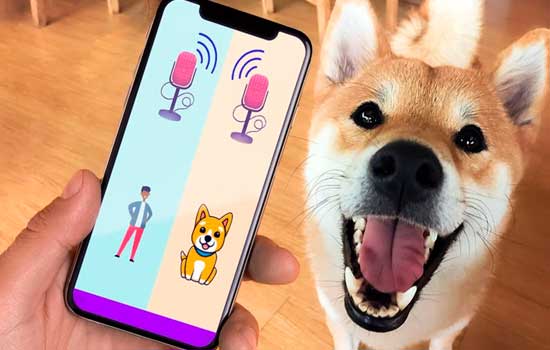
Modern technology offers fascinating tools to help interpret your pet’s vocalizations. Pet translator apps use audio recognition technology and behavioral science databases to provide interpretations of recorded sounds. While not scientifically definitive, they offer entertaining and sometimes surprisingly accurate insights.
These apps typically work by recording your pet’s sounds and analyzing characteristics like frequency, pitch, duration, and pattern. They then match these against databases of known vocalizations associated with specific emotions or needs. The results range from basic categories like “happy,” “hungry,” or “alert” to more nuanced interpretations.
Using these apps regularly helps you develop your own understanding of your pet’s communication style. You’ll begin noticing patterns the app confirms, building confidence in your interpretation skills. Over time, you might not need the app at all—you’ll have become fluent in your pet’s unique language.
The entertainment value alone makes these apps worthwhile. Sharing interpretations with family and friends adds fun to pet ownership, and kids especially enjoy the “translation” aspect, which can teach them to pay closer attention to animal welfare and communication.
Creating Your Own Pet Sound Library 📱
Building a personal collection of your pet’s vocalizations serves multiple purposes. First, it creates a baseline for normal communication, making abnormal sounds easier to identify. Second, it provides entertaining memories you’ll treasure for years. Third, it can help veterinarians diagnose problems when you can provide audio examples.
Start by recording your pet in various situations: mealtime, playtime, when visitors arrive, during walks, when alone, and when interacting with other animals. Note the context for each recording—time of day, what preceded the sound, and what followed.
Organize recordings by category: greetings, demands, alerts, play, distress, and contentment. Over time, you’ll notice your pet has distinct vocalizations for each category, and you’ll become expert at predicting their needs based on sound alone.
Modern smartphones make this incredibly easy. Most voice memo apps work perfectly, or you can use dedicated pet sound apps that automatically categorize and date recordings. Cloud storage ensures you’ll never lose these precious audio memories.
What Patterns Reveal
After collecting recordings for several weeks, review them for patterns. Does your dog bark differently at mail carriers versus neighbors? Does your cat’s “feed me” meow differ from their “play with me” meow? These distinctions become obvious once you’re actively listening.
You might discover your pet has time-based patterns—certain vocalizations occur predominantly in morning or evening. Others might be triggered by specific family members or situations. This knowledge transforms you from pet owner to pet translator.
Beyond Sounds: The Complete Communication Picture 🗣️
While vocalizations provide valuable information, they’re just one piece of the communication puzzle. Body language, facial expressions, ear position, tail movement, and overall posture work together to convey your pet’s complete message.
A dog barking with a wagging tail and relaxed posture communicates something entirely different than one barking with raised hackles and stiff legs. Similarly, a cat meowing while rubbing against your legs differs dramatically from one meowing while backing away with flattened ears.
When recording and interpreting sounds, always note accompanying physical behaviors. This contextual information increases interpretation accuracy and helps you respond appropriately to your pet’s needs.
Professional animal behaviorists emphasize that effective communication is a two-way street. As you learn to understand your pet better, they’re simultaneously learning to “read” you. This mutual understanding creates stronger bonds and more harmonious households.
Common Misinterpretations and How to Avoid Them
Even experienced pet owners sometimes misread their companions’ communications. One common mistake involves assuming all tail wagging indicates happiness in dogs. The speed, height, and direction of the wag all matter—a high, stiff wag can signal agitation rather than joy.
With cats, people often misinterpret purring as exclusively positive. As mentioned earlier, cats also purr when stressed, injured, or ill. Always consider the complete situation before drawing conclusions about what a purr means.
Anthropomorphizing—attributing human emotions and motivations to pets—represents another pitfall. While pets certainly experience emotions, they don’t process them identically to humans. A dog who “looks guilty” after misbehaving is actually displaying submissive behaviors in response to your tone and body language, not experiencing guilt as humans understand it.
Recording sounds and reviewing them objectively, without imposing human emotional frameworks, leads to more accurate interpretations. Ask yourself what behavior preceded and followed the sound, what environmental factors might be relevant, and whether this vocalization is typical or unusual for your pet.
When Vocalizations Signal Health Concerns 🏥
Dramatic changes in vocalization patterns can indicate health problems requiring veterinary attention. A normally quiet cat who suddenly becomes very vocal might be experiencing pain or cognitive decline. A dog whose bark sounds hoarse or changes pitch could have respiratory or throat issues.
Excessive vocalization, especially in senior pets, sometimes indicates cognitive dysfunction syndrome—similar to dementia in humans. Affected pets may vocalize more at night, seem confused, or cry out without apparent reason.
Your recorded sound library becomes invaluable in these situations. Being able to play examples for your veterinarian provides diagnostic clues and helps track whether symptoms are improving or worsening with treatment.
Other warning signs include whimpering, yelping when touched or moving, unusual silences from normally vocal pets, or aggressive vocalizations that appear suddenly. Don’t hesitate to consult your veterinarian if your pet’s communication patterns change significantly or if sounds seem to indicate distress.
Training Through Better Understanding 🎓
Understanding your pet’s vocalizations dramatically improves training outcomes. When you recognize the difference between attention-seeking barks and genuine alert barks, you can respond appropriately—rewarding necessary alerts while ignoring manipulation attempts.
Many unwanted behaviors stem from communication failures. The dog who barks constantly might be under-exercised, anxious, or simply bored. The cat who yowls all night might need more daytime stimulation or could have an underlying health issue. Addressing root causes, identified through careful observation of vocal patterns, proves more effective than treating symptoms.
Positive reinforcement training becomes more precise when you understand what your pet is communicating. You can reward desired behaviors at exactly the right moment and redirect unwanted ones before they escalate.
Some trainers even recommend teaching “quiet” commands by first understanding and acknowledging what your dog is trying to communicate, then asking for silence. This approach respects your pet’s need to communicate while establishing appropriate boundaries.
Making It Fun: Games and Activities Around Pet Sounds
Transform vocal interpretation into entertaining activities for the whole family. Create a “translation game” where family members record various pet sounds throughout the day, then gather to guess contexts and meanings. This builds everyone’s observation skills while providing laughs.
For children, keeping a “pet communication journal” encourages responsibility, observation, and empathy. Kids can draw pictures of their pet making different sounds, write descriptions, and even create their own interpretation system.
Social media offers another fun dimension. Many pet owners share amusing “translations” of their pets’ vocalizations, creating entertaining content that resonates with fellow pet lovers. Just ensure your pet is comfortable being recorded and that sharing doesn’t cause them stress.
Some people create compilation videos showing their pet’s different sounds in various situations, adding humorous subtitles. These personal projects celebrate the unique personality of your companion while documenting their communication evolution over time.
The Science Behind the Sounds 🔬
Researchers have made fascinating discoveries about animal communication in recent years. Studies using spectrographic analysis reveal that dogs modify their vocalizations based on audience—they literally adjust their “speech” for humans versus other dogs.
Cats have been found to individualize their meows for specific humans in their household, developing personalized communication strategies. They learn which sounds get the fastest response from which family members and adjust accordingly. This demonstrates impressive cognitive flexibility and social intelligence.
The frequency range of pet vocalizations has also been studied extensively. Dogs typically vocalize between 500 and 1,000 Hz, though this varies by breed and individual. Cats range from 25 Hz purrs to 1,500 Hz distress calls. Humans are particularly sensitive to the frequency ranges pets use most often—likely not coincidental.
Ongoing research into animal communication continues revealing surprising complexity in how pets express themselves. As our understanding deepens, tools for interpretation will become increasingly sophisticated and accurate.
Building Stronger Bonds Through Listening 💕
Ultimately, paying attention to your pet’s vocalizations isn’t just about decoding messages—it’s about demonstrating that you value what they’re trying to tell you. This attentiveness strengthens your relationship and creates mutual trust.
Pets whose communication attempts are acknowledged and appropriately responded to show reduced anxiety, fewer behavior problems, and stronger attachments to their owners. They feel heard and understood, which fulfills important emotional needs.
The process of learning your pet’s language also changes you as an owner. You become more patient, observant, and empathetic. These qualities benefit all your relationships, not just the one with your furry companion.
Recording, analyzing, and responding to your pet’s sounds transforms daily interactions into opportunities for connection. That morning meow becomes a cherished greeting ritual. Evening barks announce family arrivals with joy rather than annoyance. You’re not just living with a pet—you’re engaging in ongoing conversation with a beloved family member.
Getting Started Today: Your Action Plan 📝
Ready to begin your pet communication journey? Start simple. Today, just pay attention. Notice when and why your pet vocalizes. Tomorrow, make your first recording. Note the context carefully.
Over the next week, build your sound library across different situations. Use a pet translator app if you’re curious, but trust your own observations most. You know your pet better than any algorithm.
Share your discoveries with family members. Compare notes on what you think different sounds mean. Discuss how you might respond differently based on better understanding.
Most importantly, have fun with the process. This shouldn’t feel like homework—it’s an adventure in deepening your connection with your faithful companion. Every bark, meow, chirp, and purr tells a story. You’re learning to read those stories with greater fluency each day.
Your pet has been trying to talk to you all along. Now you’re finally learning to listen properly. That’s a gift that enriches both your lives immeasurably. The conversations you’ll have—even across species barriers—will bring joy, understanding, and countless moments of connection that make pet ownership so profoundly rewarding. 🐾💙
